
Popular Carport Roof Replacement Products For Reliable Shelter Solutions
Discover the most sought-after materials that combine quality and affordability for your carport upgrade.
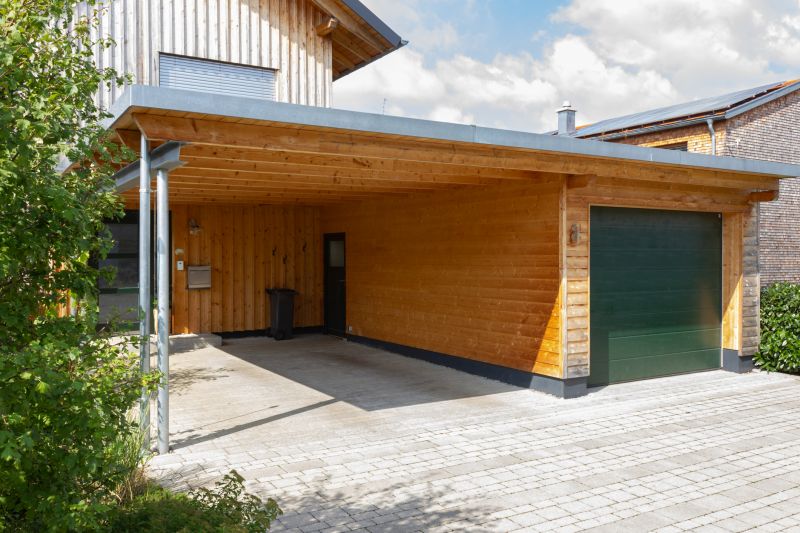 Replacing a carport roof involves selecting materials that offer durability, weather resistance, and ease of installation. The choice of roofing material can significantly influence the longevity and functionality of the structure. Common options include metal panels, polycarbonate sheets, asphalt shingles, and rubber membranes, each with their own advantages and considerations. Metal roofing, for instance, is known for its longevity and low maintenance requirements, making it a popular choice among homeowners seeking a long-term solution. Polycarbonate panels provide excellent light transmission and impact resistance, ideal for those wanting to maintain visibility and natural light beneath the carport. Asphalt shingles are familiar and straightforward to install, offering a cost-effective option for many projects. Rubber membranes, often used in flat or low-slope applications, provide a seamless and waterproof barrier. When selecting a replacement roof, it is important to consider factors such as local climate, roof slope, budget, and aesthetic preferences. Proper installation and material quality are essential to ensure the safety and performance of the carport over time. Consulting with professionals or experienced DIY enthusiasts can help determine the most suitable options for specific needs.
Top Overall Option
Metal Roofing Panels
Metal roofing panels are widely appreciated for their durability, resistance to harsh weather conditions, and minimal maintenance needs. They come in a variety of styles and finishes, allowing for customization to match existing structures. Metal panels are often made from steel or aluminum, offering a strong barrier against the elements and a long lifespan. They are relatively straightforward to install, especially with proper preparation, and can be a reliable choice for those seeking a resilient and low-maintenance roof replacement. When choosing metal panels, consider gauge thickness, coating options, and compatibility with your carport's design. Overall, metal roofing provides a versatile and robust solution for carport roof replacements.
Types of Products For Carport Roof Replacements
Metal Roofing Panels
Durable, weather-resistant panels suitable for long-term protection.
Polycarbonate Sheets
Impact-resistant, translucent panels that allow natural light.
Asphalt Shingles
Traditional roofing material offering affordability and ease of installation.
Rubber Membranes
Seamless waterproofing options often used for flat roofs.
PVC Roofing Sheets
Lightweight, durable sheets that resist weathering and UV rays.
EPDM Rubber Roofing
Flexible, waterproof rubber material ideal for low-slope roofs.
Corrugated Metal Sheets
Economical, easy-to-install corrugated panels with good water runoff.
Polyethylene Tarp
Temporary or budget-friendly option for quick protection.
Wood Shingles or Shakes
Aesthetic choice for rustic or traditional styles, requiring maintenance.
Fiberglass Panels
Lightweight and strong panels that transmit sunlight effectively.
Popular Choices
Widely used for their durability and variety of styles, suitable for many climates.
Popular for their impact resistance and light transmission qualities.
Commonly selected for affordability and straightforward installation.
Chosen for weather resistance and ease of handling.
Favored for flat or low-slope roofs due to waterproofing capabilities.
Popular for its cost-effectiveness and effective water runoff.
Often used in low-slope applications for its flexibility and waterproofing.
Chosen for their light transmission and strength.
Frequently used for temporary protection or quick fixes.
Selected for aesthetic appeal in rustic settings, requiring maintenance.
Key Buying Considerations
- Climate and weather conditions influence material choice and durability.
- Roof slope and design compatibility are essential for proper installation.
- Material longevity and maintenance requirements should align with your expectations.
- Budget constraints can affect the selection of higher-end versus basic materials.
- Ease of installation may determine whether DIY or professional help is needed.
- Impact resistance is important if the area experiences hail or falling debris.
- Light transmission needs may influence whether translucent materials are preferred.
- Waterproofing and sealing features are critical for flat or low-slope roofs.
- Compatibility with existing structure and aesthetic preferences should be considered.
- Availability of materials locally can impact project timelines and costs.
- Fire resistance ratings may be relevant depending on local regulations.
- Weight of the material can affect the structural support requirements.
- UV resistance can prolong the life of the roofing material.
- Warranty options and manufacturer support can provide added peace of mind.
- Environmental factors such as wind uplift resistance are important in certain regions.